


"Parents residing in the northern part of London wants to find an remarkable and qualified instructor to support their youngest child on his early path to turning into an British gentleman."
Upon seeing this advertisement, you might naturally skip the term "beginning" as simple a turn of phrase.
But, it might be the most important element of this unusual job advert, as it aims to recruit a tutor for a one-year-old.
Hundreds of responses have already been sent in since the unnamed family advertised their request for the £180,000 per year tutor, who has to be "an exceptional individual".
In recent few weeks, the post has received notice throughout the news, with several asking why?
Progressive Approach
The CEO, chief executive of a global tutoring firm, which is assisting the family in their search, said that notwithstanding early skepticism, he viewed the concept "far sighted", and "innovative".
When he met the family, he mentioned they recognized the unusual nature of their request, and how immature their son is.
Nevertheless, they stated that they "were unwilling to delay any longer" to get a tutor, as they had waited until their older child was five, and by that age "cultural conditioning had by then taken hold".
What precisely does the family indicate by "cultural leaning"?
It's "all-encompassing", the expert replied. "The manner you eat, the way you speak".
He stated the elder child had absorbed "very nuanced, non-verbal cues" from the family, and had taken on their cultural ways. The family told him they did not want the same situation to recur with their new baby.
The plan: To engage a English tutor, who needs to speak with RP, to guide the baby from day one.
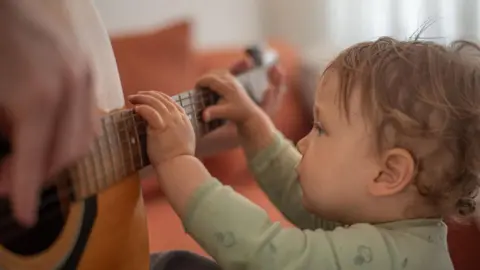
Natural Absorption
"A great deal of the development at the start here is somewhat absorbed naturally," said the CEO.
It's through this osmosis that the family are aiming the child will adopt the English characteristics they wish to instil.
The consultant explained the tutor needed to be someone who went to "the appropriate educational institutions – similar types of schools as the family hope to send their son to".
"The educator must be the right kind of person, they'll be doing things they don't even know they're doing, simply by nature," he said.
Money No Object
The family told Adam the chosen tutor should ideally also have knowledge of or passion in riding, winter sports, artistic pursuits and musical activities so as to shape the child in a diverse set of passions.
More than that though, he explained the family wanted the tutor to enrol the child on a variety of lessons so the child would be "pony-riding and learning an musical instrument by the time they are approximately three years old".
In the family's perspective, guiding their son become a "English gentleman" will result in accomplishment and create opportunities.
"For all the pros and cons of that, because it's undoubtedly a class statement," he adds.
But, notwithstanding all this instruction in "UK identity", would the child absorb what is termed cultural bias from the international family he resides with regardless?
"Absolutely", said he. "The family know this may not work, but they've merely embraced the view of, 'why not attempt it and we should start as soon as we can', because the expense of it is irrelevant," he explained.
Overly Optimistic
Several in the education sector who have similar doubts.
Another CEO, CEO and founder of a tutoring service, who provides personal educators, commented that "the development of adopting dual cultures, or in fact, forming one's identity, is something that must be experienced personally, not engineered."
He noted that he had moved from China to the UK at the age of seven, and had been educated understanding and practicing both cultures. He progressed to learn at Cambridge University.
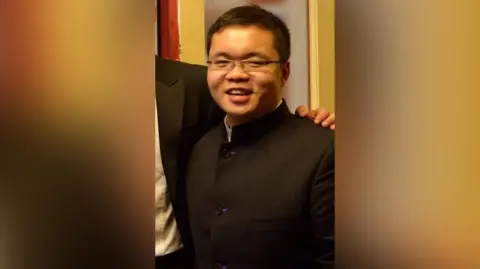
"The idea that a single person can serve as a living vessel of English culture, an individual who can possibly impart the characteristics of a UK sophisticate upon a infant child, seems to me idealistic and unfeasible," he commented.
"Based on my background, employing a distinctly British tutor from early childhood will does not necessarily create the outcome they desire.
"I did not have such a tutor, and nevertheless I have been lucky enough to live many of the experiences they aspire for their son."
He stated: "The fact is, cultural identity cannot be forced from the external environment; it must be chosen, and it must originate internally."
Buying Britishness
Naturally, English culture is something the expert believes can be educated – and commercialized.
"I believe the situation that the international society views us in this regard is something that we should be cherishing|valuing|appreciating


